Internet Ambient


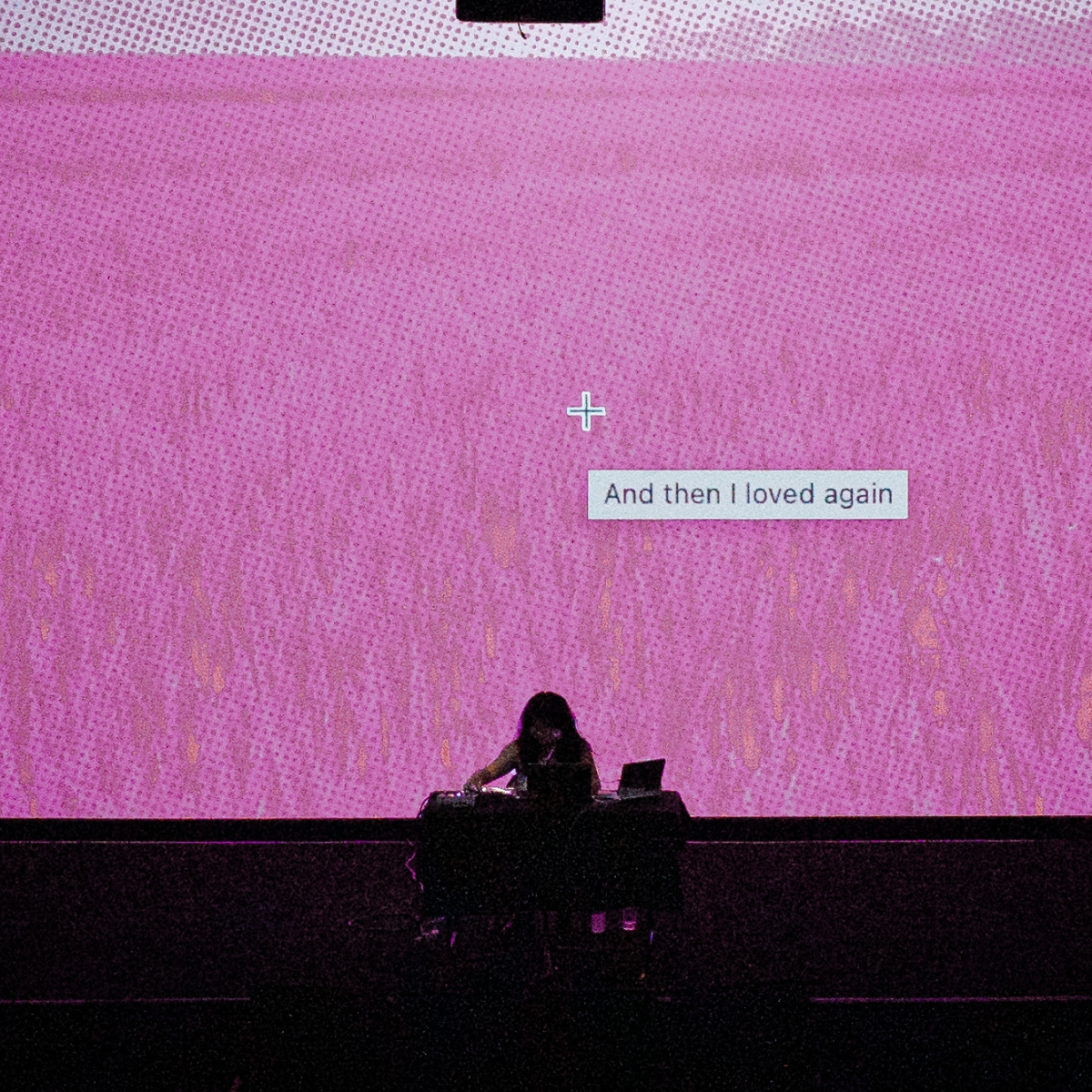
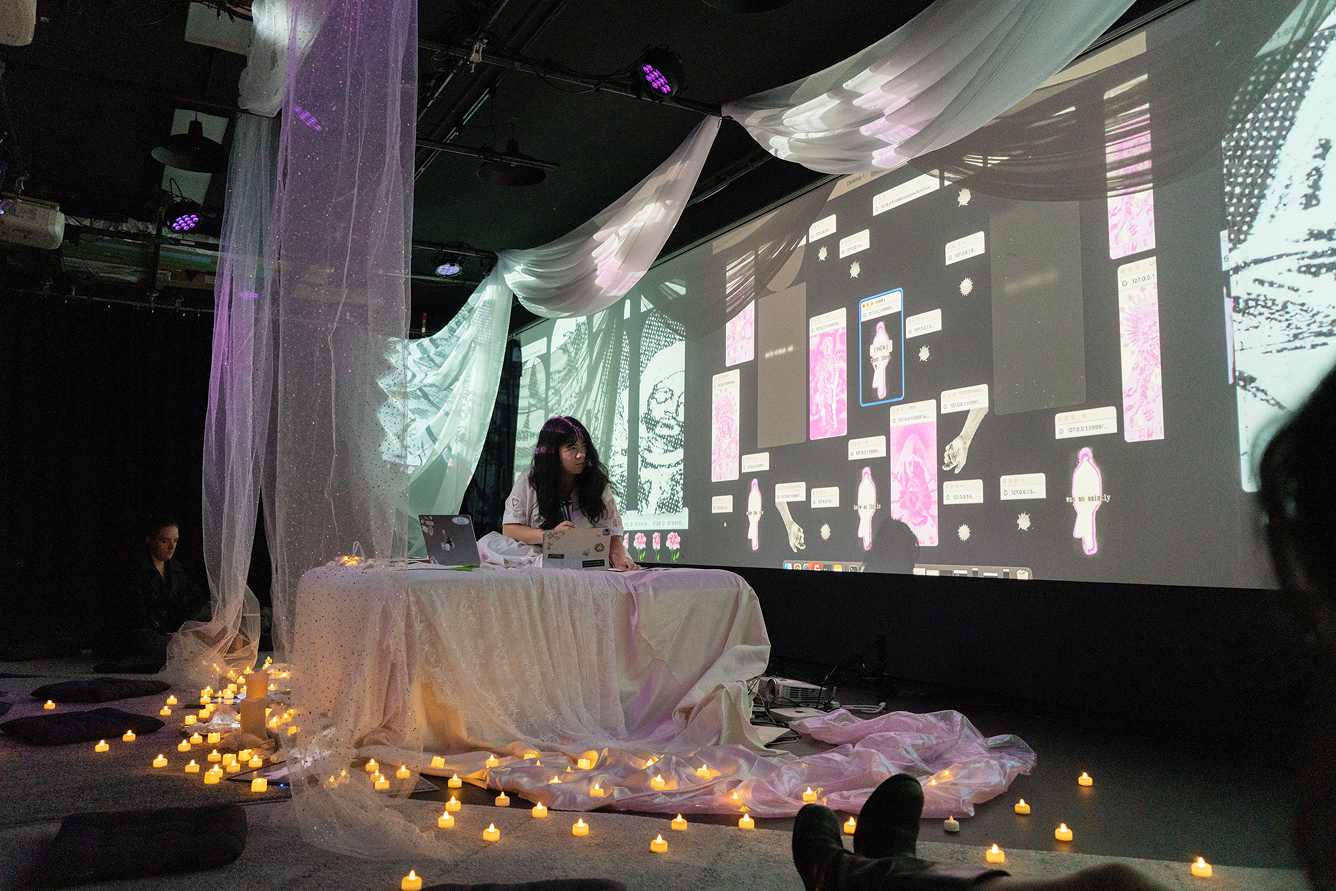
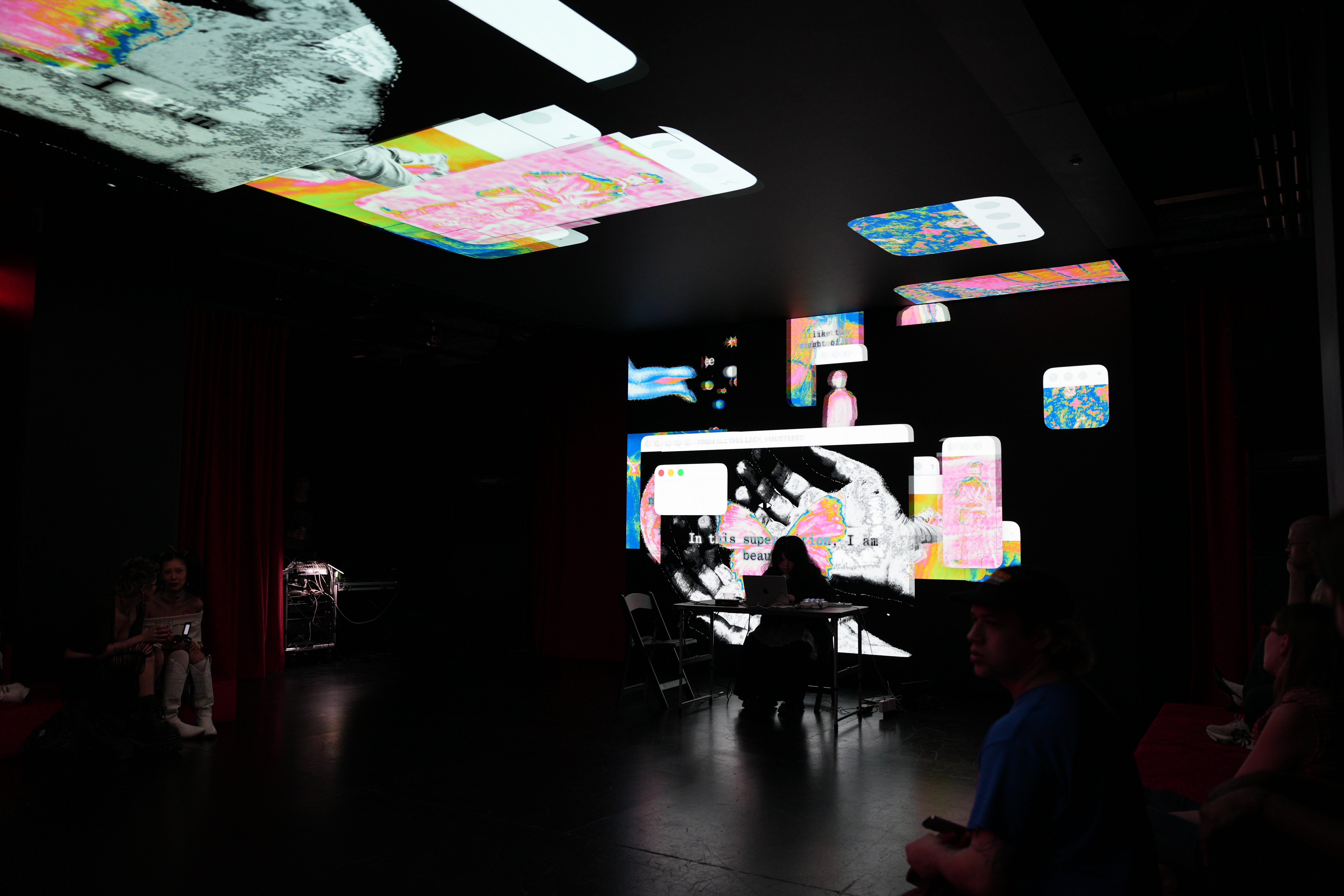
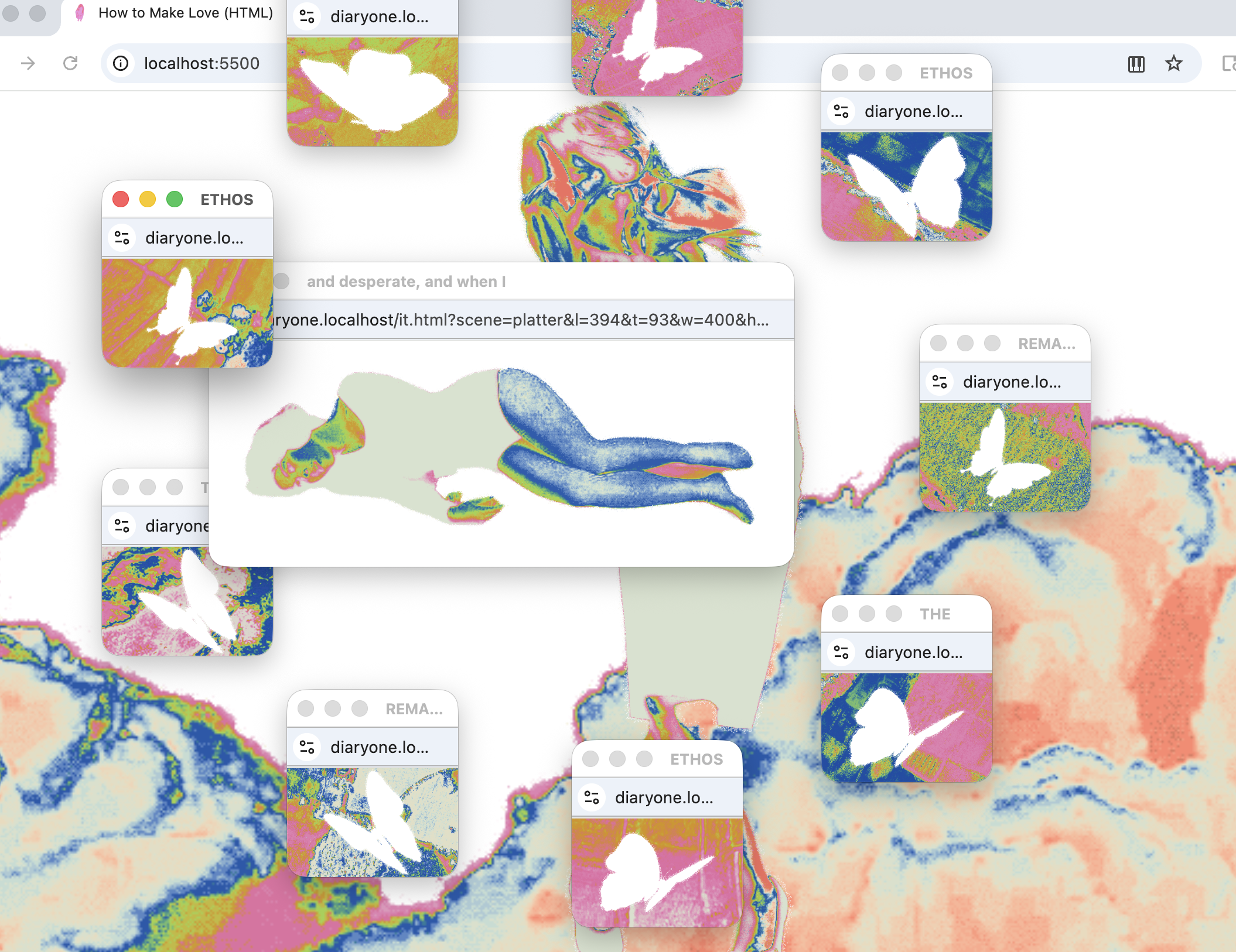
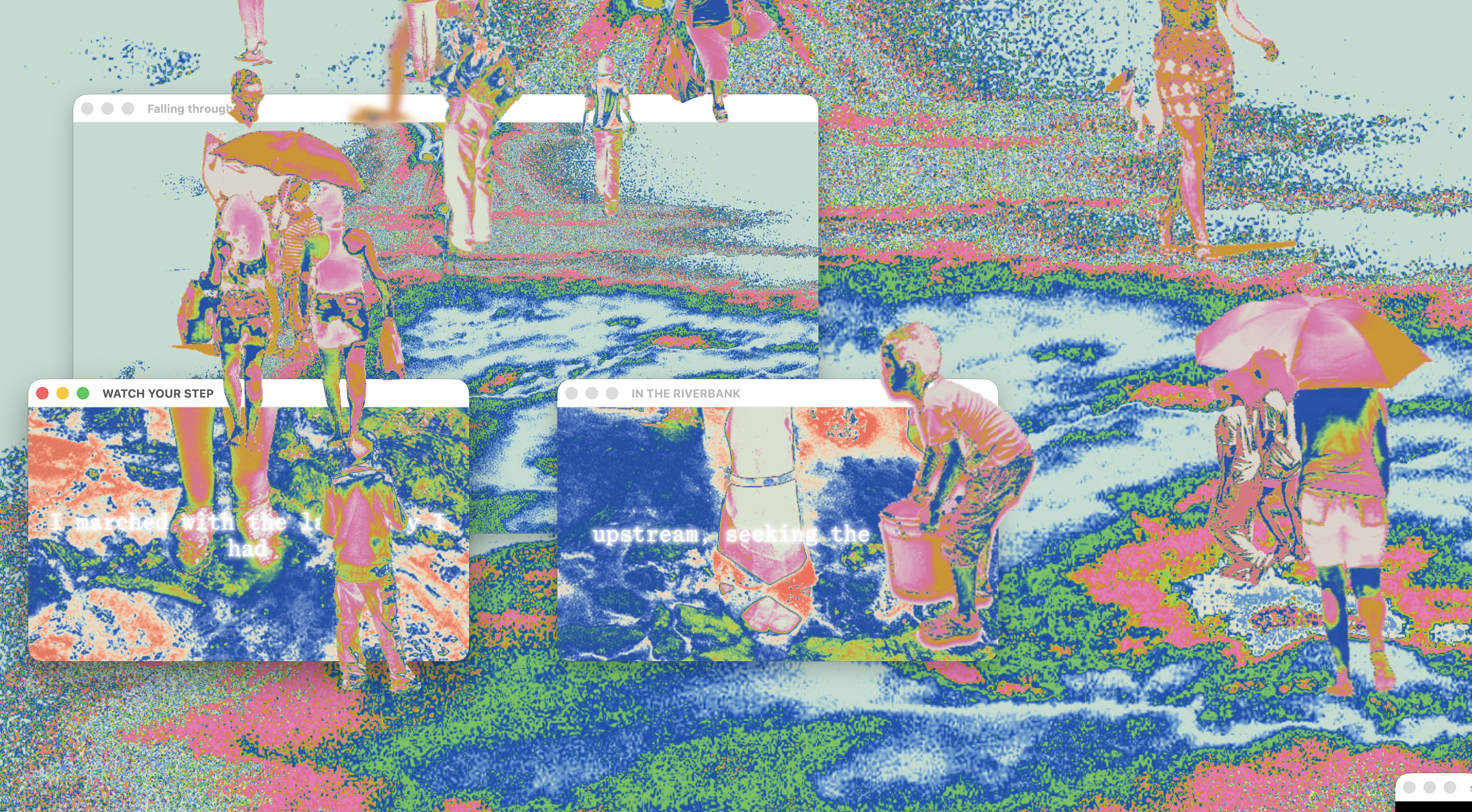
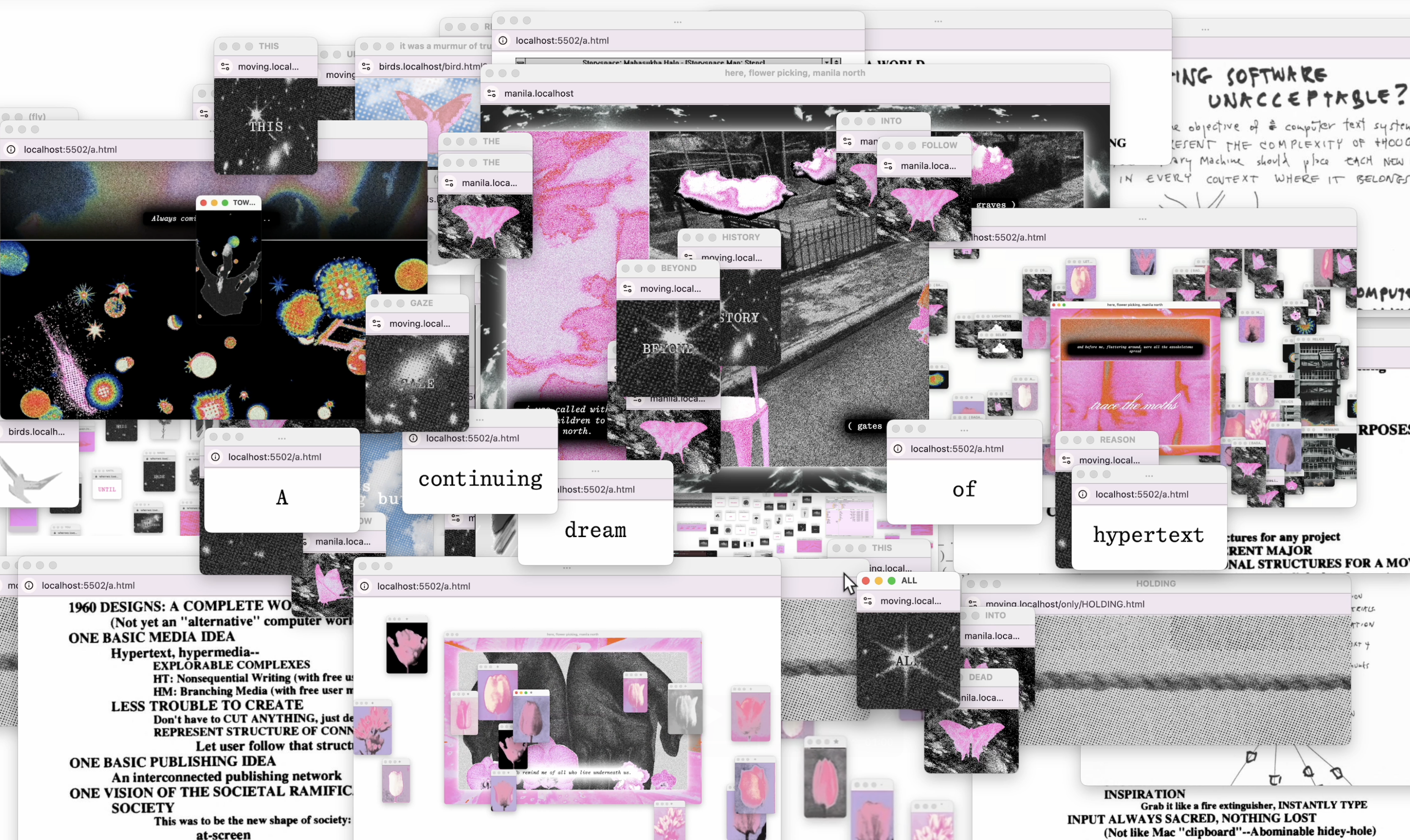
Internet Ambient is my practice of hypertextual performance, literature, and sound; I write, code, perform, and publish these non-linear, dense, durational works that range from personal to research-driven narratives.
In other words, I have written hundreds of thousands of words and fragments that live on the internet, published as games or literary works, designed to be performed.
I'm interested in how reading and browsing can feel atmospheric and recursive — in how databases might be performed, and how interfaces can be rearranged into functional poems.
I use "Internet Ambient" to refer to both the software I create, and the performances that come from it.
-
It is a practice of ambience.
We use materials and metaphor to make sense of the internet's built environment, from clouds to desktop metaphors. Our experience of software is built on ever-changing defaults and affordances.
The internet today can feel constricting: Timothy Morton writes that 'ambience' is a symptom of capitalist alienation; there is a violence to invisible interfaces. How can we construct atmospheres, moods, and environments that break free from the constraints of the internet today, and propose new ways of being on on the web? - It is a practice of performance. The desktop is a place of private, a stage where all run. The browser is a networked, programmable, displaceable, and highly-commercialized instrument; we use it through gestures, scripts, and orchestrators. I'm interested in feeling more intimate with infrastructures, making poems out of utilitarian tools and functions. The human is a performer activating these instruments: the technologies may perform them, or vice-versa. Programming is itself a type of dance with logic and runtime. There is an inherent performativity to the internet.
-
It is a practice of hypertext.
I dream of an internet novel that lives on the internet. Most of my performed work is quite non-linear, dense, illegible—classic hypertexts. I'm interested in lengthy works of literature, even if the quality of the writing is not substantial, there is something about the nature of digitally-native writing (Homestuck, 17776, The Subspace Emissary, certain Twitter accounts, Wattpad, etc.) which have cultures of distribution, reading, sampling, and remixing that also fascinate me.
Internet ambient is a necessity in revisiting work and charting a way through: I am interested in co-streaming, reference materials & fan wikis, reviews, second-order ways of consuming content that have emerged online. I like the plurality of my works, of mixing several of them at once, re-encountering them.
Internet Ambient is how I present much of my game and literary work live. Most net art lives on the browser, encountered alone, in passing, on small screens, with limited attention. These works are often dense & multiple with many possible pathways and permutations, and also decay & erode with their usage of deprecating web technologies. Each performance is to re-encounter work for myself and an audience anew in the familiar form of a poetry reading or ambient performance, using a mix of manual gestures, custom scripts, and orchestrators for real-time performances where hypertext becomes a mode of perforamnce, too.
( An ambience insinuates an atmosphere, suggests the making of the unknown known, questions which network technologies and resulting behaviors have been 'naturalized'. It suggests new ways of reading that might feel like authorship; collages and samples from the internet, proposes atmospheres as visible as it is ubiquitous. )
Pushing the infrastructural limits of the operating system, browser, and body all at once, I treat the web as a whole as a concrete poem, revealing our infrastructural intimacies while treating my body as an interface. Perhaps it's not only a program that is performing itself: we can also intervene, reclaim the work, and breathe it new life. Consuming work in new ways is just as interesting as creating it.
References: Timothy Morton, Ecology without Nature, 2007. Tan Lin, Heath: Plagiarism/Outsource, 2007. A. Mapes-Frances, Reading Machines: Ambient Writing and the Poetics of Atmospheric Media. Lev Manovich, Database as a Symbolic Form, 1998. Mark Weiser, The Computer for the 21st Century, 1991. Muzak, 1934.